
Beyond 130 Years:
Entering a New Chapter as a Holding Company

Beyond 130 Years:
Entering a New Chapter as a Holding Company

Beyond 130 Years:
Entering a New Chapter as a Holding Company

Throughout our 130-year journey, our Group has continued to take on new challenges, grow with the times, and evolve alongside society.
We will celebrate our 130th anniversary on November 1, 2026, and transition to a holding company structure on January 1, 2027, marking the beginning of a new stage of growth.

This special website looks back on our history, explains why we are adopting a holding company structure and what we aim to achieve, and introduces our Group brands.

We invite you to discover the heritage and values we have built over 130 years, as well as our commitment to embracing new challenges for the future.

Top Message

Top Message

Yoshiaki Ueno
Yoshiaki Ueno
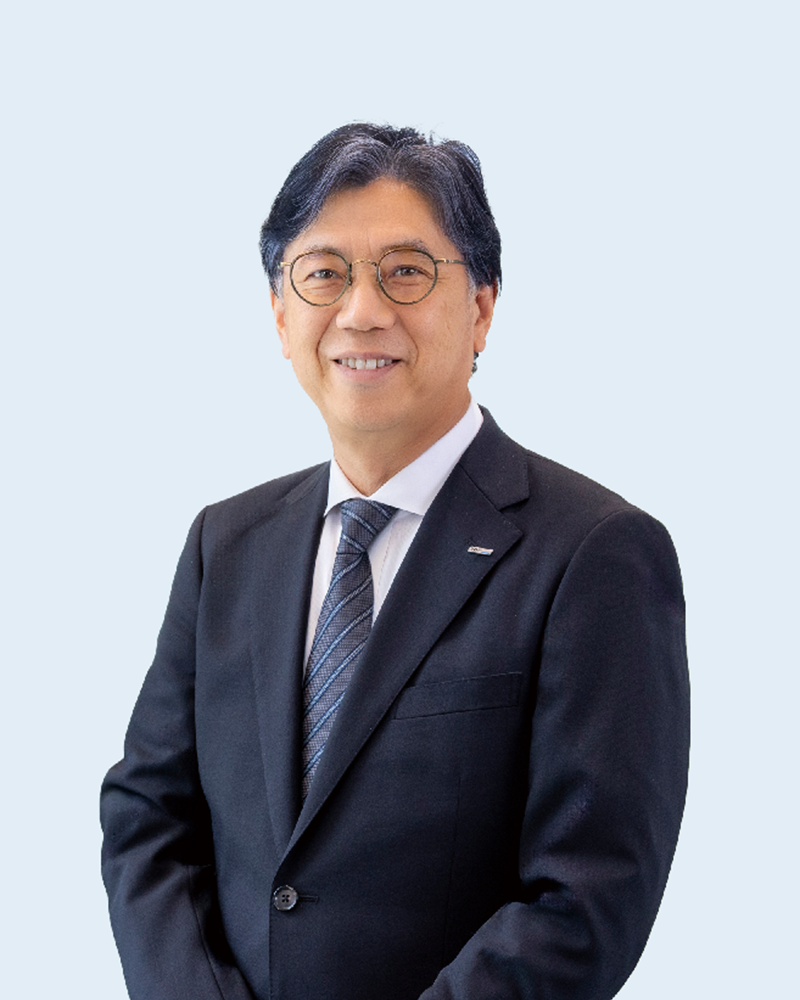
Yoshiaki Ueno, Representative Director, President and Executive Officer

On November 1, 2026, our Group reached the significant milestone of its 130th anniversary. This achievement would not have been possible without the support of our customers, business partners, shareholders and investors, local communities, and all other stakeholders who have supported our Group. We extend our sincere gratitude to each of you.

Since our founding in 1896, we have continued to create value through our business by responding to the changing needs of society and the markets we serve. Our 130-year journey has been one of challenge and transformation. The trust earned by those who came before us, together with their steadfast commitment to conducting business with integrity, forms the foundation of our Group today. Now, with our sights set on the next 100 years, we are moving into a new stage of growth.

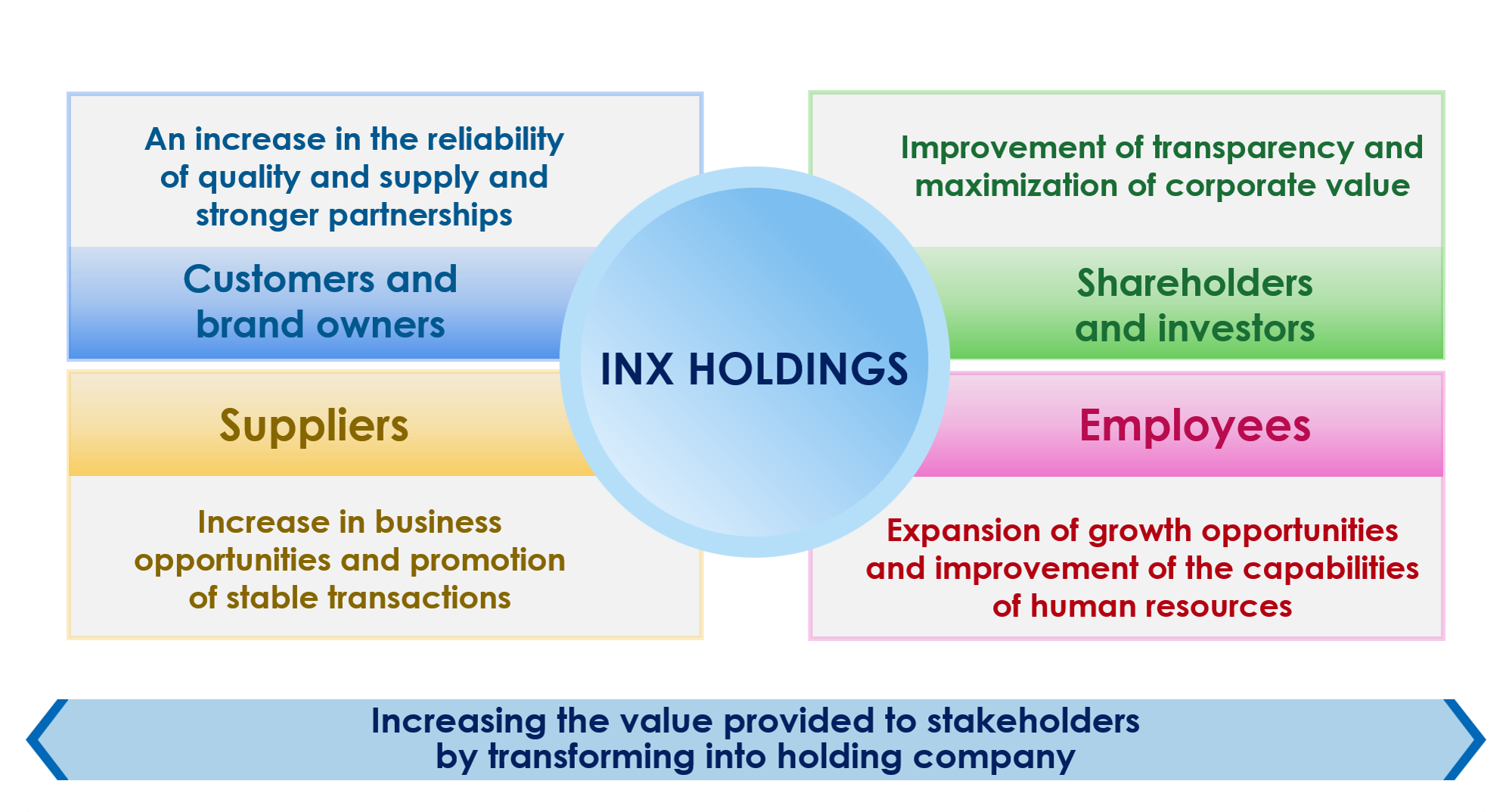
On January 1, 2027, our Group will transition to a holding company structure. This will strengthen strategy and governance across the Group while enabling each operating company to develop greater autonomy and expertise, supporting faster and more flexible decision-making. By optimizing our business portfolio and creating stronger synergies across the Group, we aim to achieve sustainable growth and enhance corporate value over the medium to long term. While our structure will change, our enduring commitment to putting customer value first and remaining a company that society can trust will not. We will continue to value the brands and trust we have built over the years as we pursue new opportunities to create value.

With gratitude for the past 130 years and a strong sense of responsibility for the future, we will continue working to grow and contribute to society. We deeply appreciate your continued support.

Our 130-Year Journey

Our story began 130 years ago, when a young man moved from Hiroshima to Osaka and founded a business manufacturing newspaper ink. Since then, we have overcome many challenges, including war and periods of financial hardship, to become a global Group operating in more than 20 countries and regions. Here are some of the defining moments in our 130-year journey.

CHAPTER01
from 1896

Building the Foundations of Our Business

Growing Alongside Japan’s Printing Ink Industry
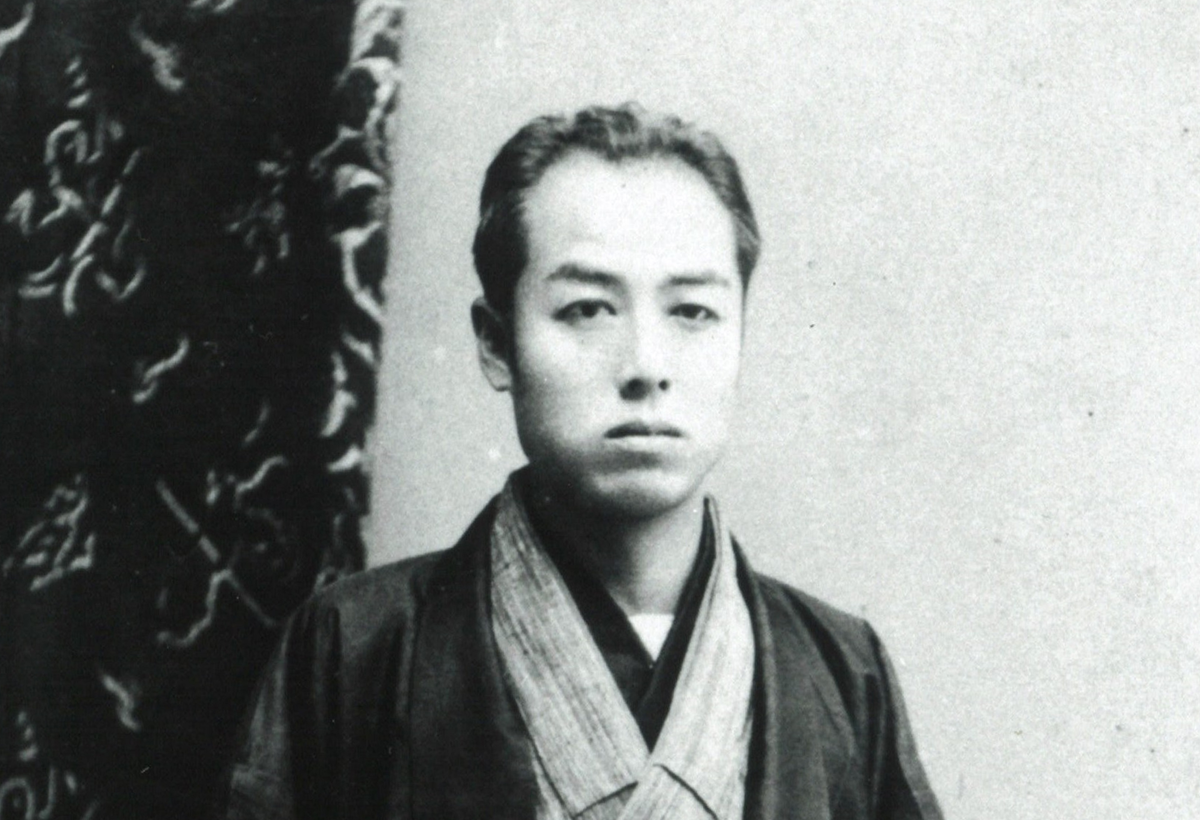
Founder Tsuneshiro Sakata

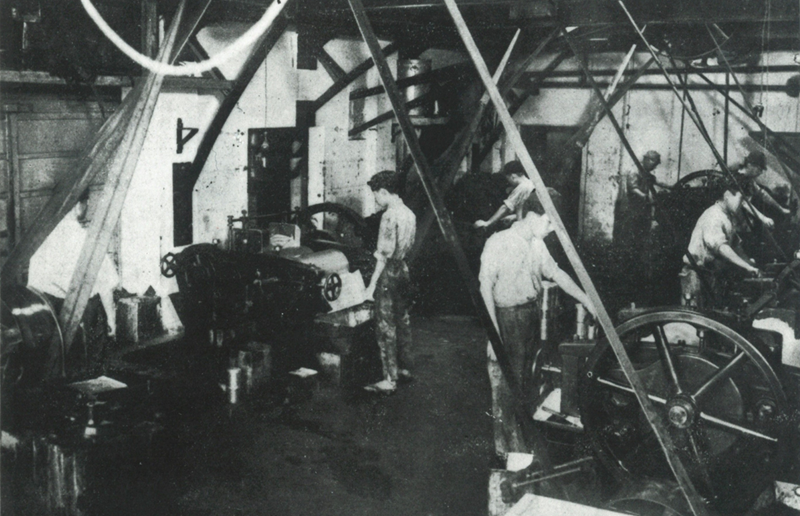
Our Group traces its origins to 1896, when founder Tsunejiro Sakata opened Sakata Ink Seizosho in Osaka to manufacture and sell newspaper ink. It was Japan’s first company dedicated exclusively to newspaper ink and marked the beginning of today’s Group.

In 1905, the company built a full-scale newspaper ink plant, expanding the foundations of its business. Motoo Sakata, the founder’s son and successor, joined the company in 1910 and championed research and development. He successfully commercialized Japan’s first linseed-oil-based printing varnish. This innovation made a major contribution to the development of Japan’s printing industry and became an important driver of the company’s growth. The company also helped modernize the industry by developing inks for high-speed rotary presses and establishing direct business relationships overseas.

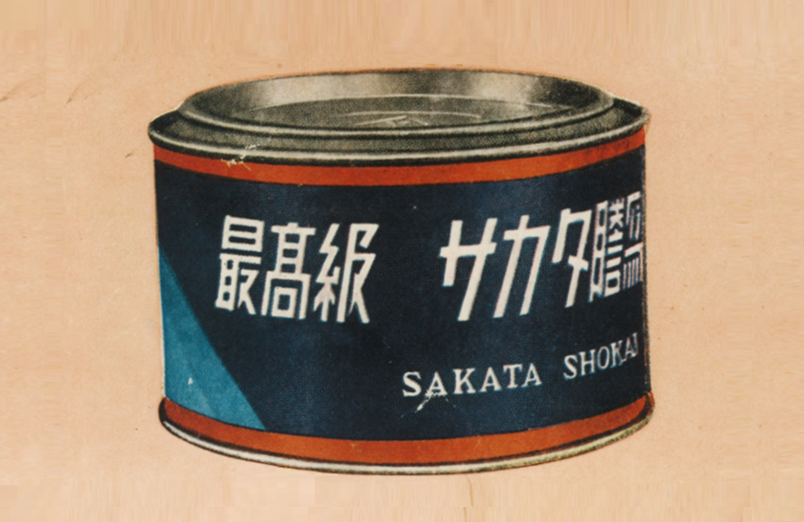
In 1933, the business was incorporated, strengthening its management base. It expanded into stencil duplicator inks and related equipment, broadened its sales channels in Japan and overseas, and diversified its operations. During the war, the company worked to maintain operations despite government controls and shortages of materials. Its head office and factories were severely damaged in the 1945 air raids on Osaka. Even so, reconstruction began immediately after the war, drawing on the technical expertise and pioneering spirit cultivated since the company’s founding.

CHAPTER02
from1945

Growth in Japan

Expanding the Possibilities of Printing Inks

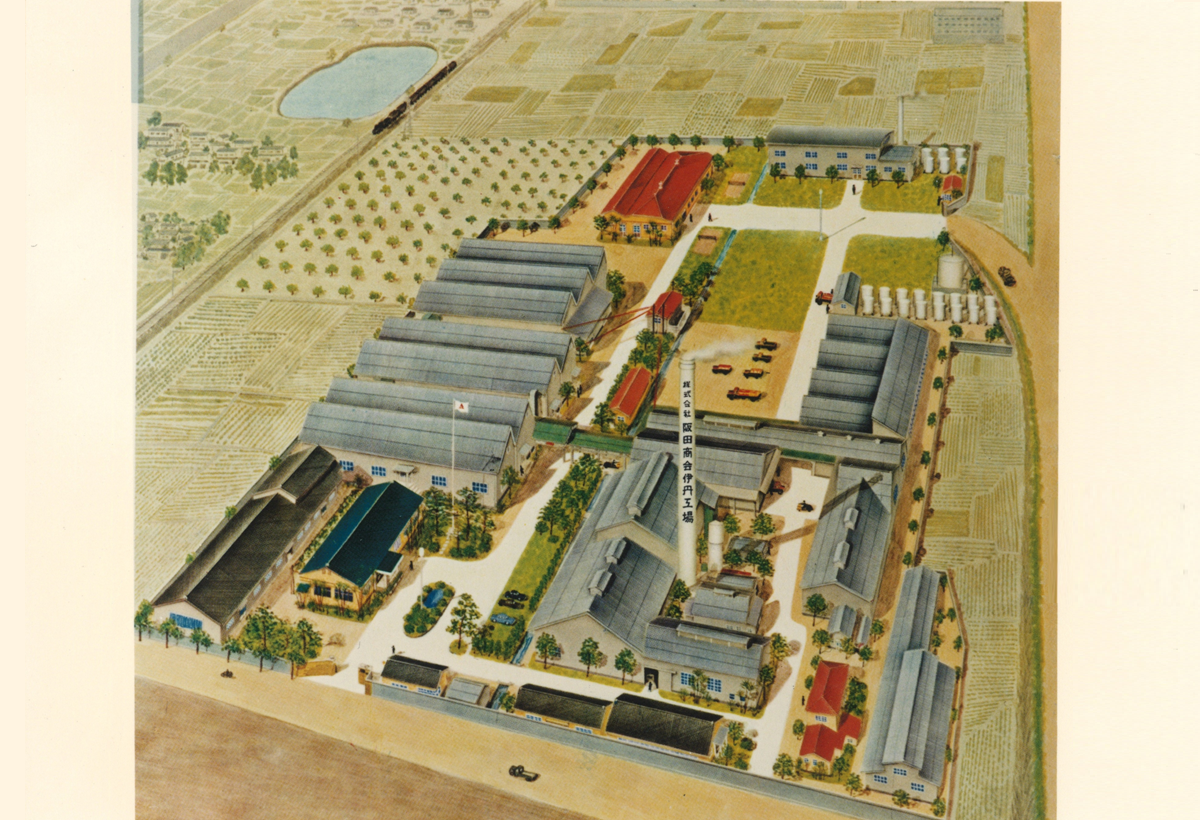
The company's first large-scale plant, now the Osaka Plant

As Japan's printing industry recovered after World War II, the company actively adopted advanced technologies from the United States and pursued higher-quality printing inks and further innovation.

In 1951, it accelerated the development of resin-based inks, leading to a succession of new products for newspaper and commercial printing and making a significant contribution to improved printing quality in Japan. Recognizing the potential of the growing packaging market, the company introduced inks for corrugated board, paper bags, and film packaging. It also broadened its product range to include electronic components and many other products, while expanding its trading operations.

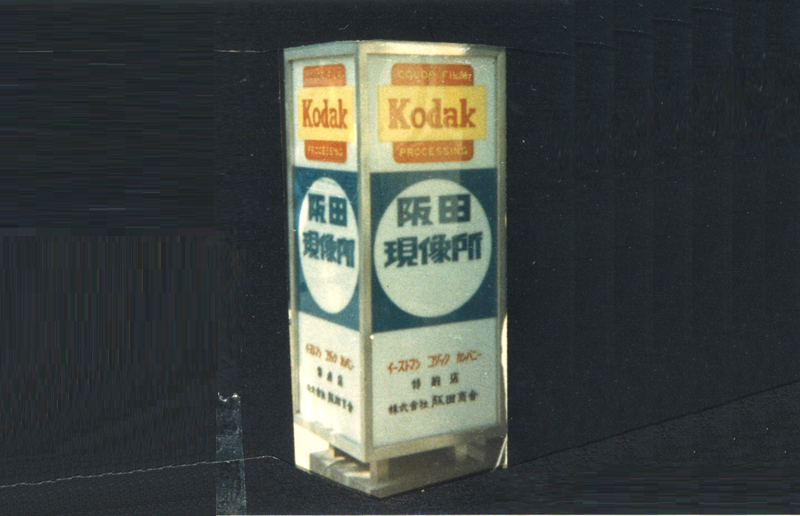
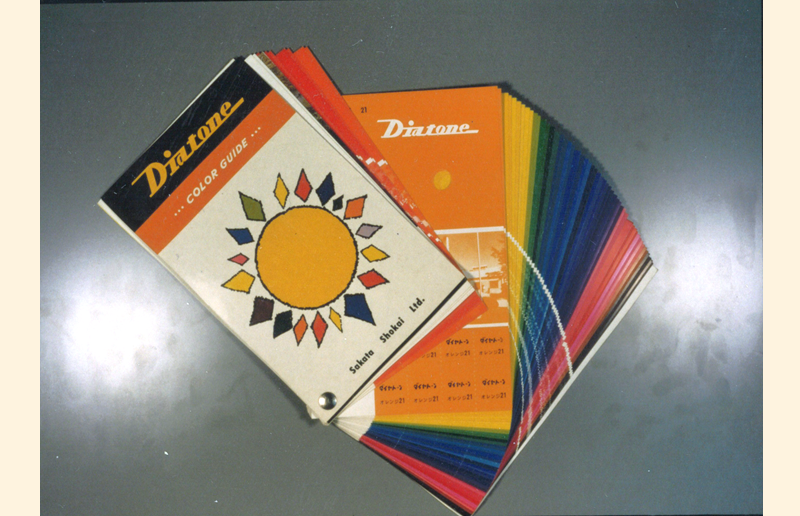
Further diversification into photographic materials and color film processing opened up additional areas of business. These initiatives flourished during Japan’s period of rapid economic growth, driving steady sales growth. The Group's foundations were further strengthened through the construction of the Osaka Plant, its first modern large-scale production facility, and the listing of its shares on the stock exchange. A relentless commitment to innovation and a bold approach to diversification laid the groundwork for the Group to become the global enterprise it is today.

CHAPTER03
from 1960

Taking the Business Global

Global Expansion and New Market Challenges

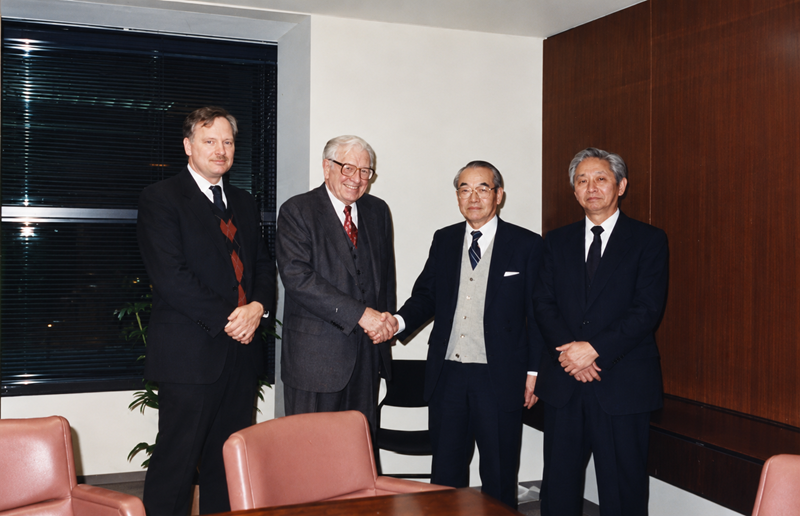
Signing ceremony for an acquisition in the United States
Ink products exported to overseas markets

Motoo Sakata, the company’s second president, brought a global perspective to the business from an early stage. Before World War II, he traveled to Europe to study the industry and actively introduced advanced products and technologies from the United States. The company was also an early mover in international trade, establishing a foundation for expansion into overseas markets.

In the 1980s, it set its sights on a full-scale entry into the United States, the world’s largest printing market, acquiring four companies, including a leading manufacturer of inks for metal cans. These acquisitions established a strong foundation for operations in the Americas.

In Europe, the birthplace of printing culture, the company expanded its presence by establishing a joint venture in Barcelona, Spain, and an ink company serving the metal can market in the United Kingdom.

In Asia, it established its first overseas production base in Taiwan and entered Indonesia, where strong economic growth was anticipated. It subsequently opened locations in India, Vietnam, Thailand, and other countries, expanding across Asia’s fast-growing markets. More recently, the Group has entered South American markets, including Brazil, as well as Eastern Europe, while increasing export sales in the Middle East and Africa.

Today, the Group operates in more than 20 countries and regions, with overseas markets accounting for approximately 80% of net sales.

CHAPTER04
from 1990

Advancing Sustainability and Digitalization

Creating New Value Through Sustainability and Innovation

Botanical Ink Series Made with Plant-Derived Materials
Expansion of the inkjet ink business into the clothing, food, and housing sectors

The Group has long regarded environmental protection and technological innovation as key management priorities, working to help build a sustainable society and create new value. In the 1970s, when pollution became a major public concern, the company moved quickly to establish an environmental department and promote initiatives to reduce its environmental impact. It advanced the development of environmentally responsible products, shifting corrugated-board inks to water-based formulations and introducing offset inks made with vegetable oils.

It later launched toluene-free gravure inks, helping lead the packaging printing industry’s environmental efforts. More recently, the Botanical Ink series, which uses plant-derived materials, has grown to account for approximately 70% of the company’s domestic sales of inks for film packaging. The Group also continues to reduce CO2 emissions and industrial waste, improve production efficiency, and strengthen quality, safety, and environmental management systems at its locations in Japan and around the world.

At the same time, the Group has actively responded to digitalization, expanding its industrial inkjet ink business since the late 1990s. Today, it supplies products to leading printer manufacturers in Japan and overseas, serving a wide range of applications including advertising, textiles, building materials, and packaging.

By applying its long-established expertise in pigment dispersion and resin design, the Group has also expanded into image display materials used in displays and other products. Building on its accumulated technologies, it is now developing new businesses in the electronics and biochemical fields.

Looking ahead, our Group will continue expanding products and services that support the sustainable development of society and industry.

MORE

Toward a Holding Company Structure

Toward a Holding Company Structure

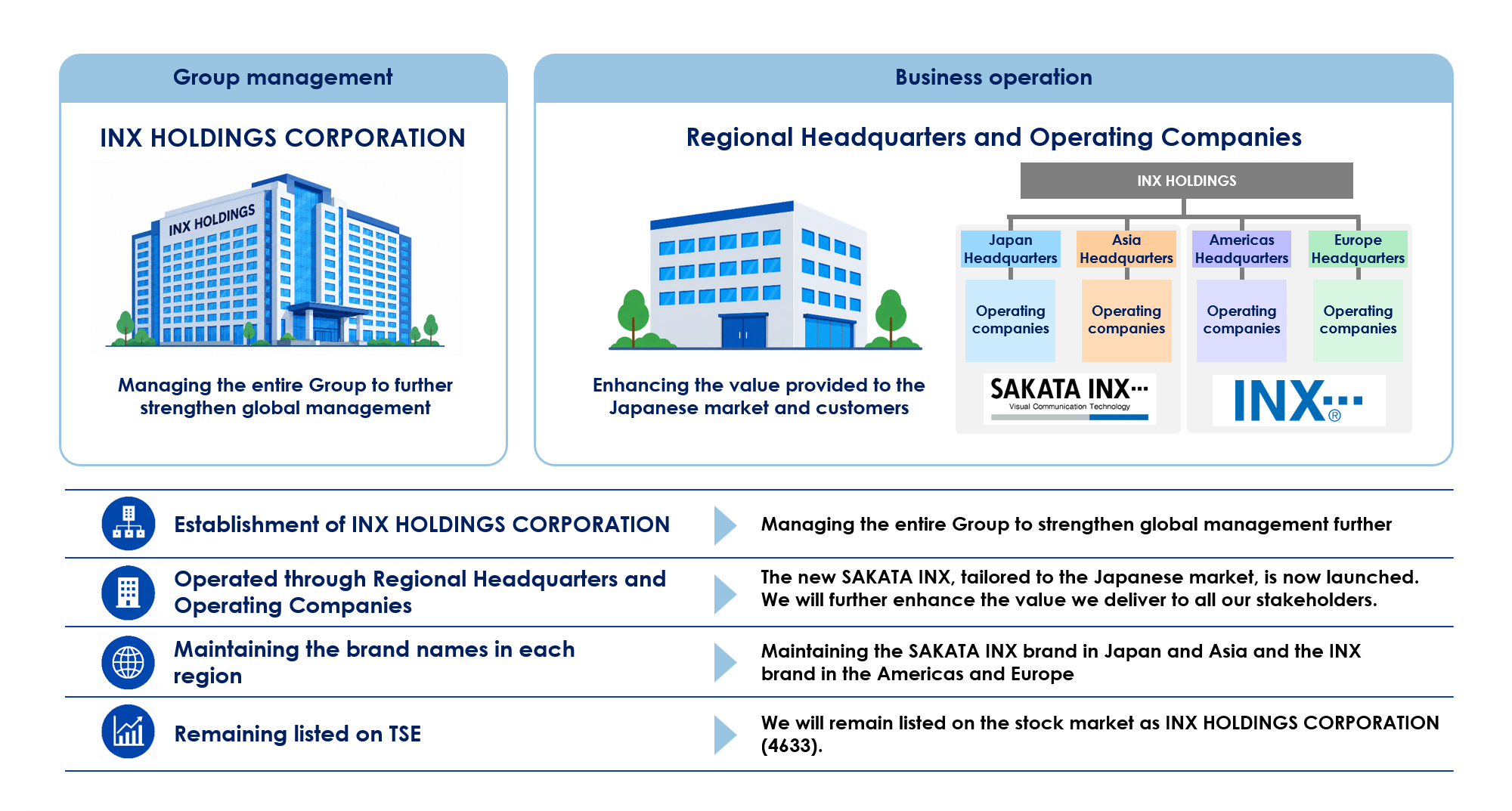
To achieve further growth, it is more important than ever for the Group to make strategic investments with a clear focus on capital efficiency and to consistently generate returns that exceed the cost of capital. The Group has grown by developing businesses deeply rooted in each region.
In recent years, however, our customers’ operations have become increasingly global, creating more opportunities for us to work as one Group across regional boundaries and respond to their needs quickly and flexibly.
To respond effectively to these changes, maximize Group synergies, and sustainably enhance corporate value, we must strengthen governance across the Group while combining swift decision-making with more sophisticated oversight. With these goals in mind, the Group will transition to a holding company structure on January 1, 2027.

A New Beginning as INX Holdings

A New Beginning as INX Holdings

What Will Change and What Will Remain the Same After the Transition to a Holding Company Structure

Things That Will Change or Stay the Same After Transformation into Holding Company

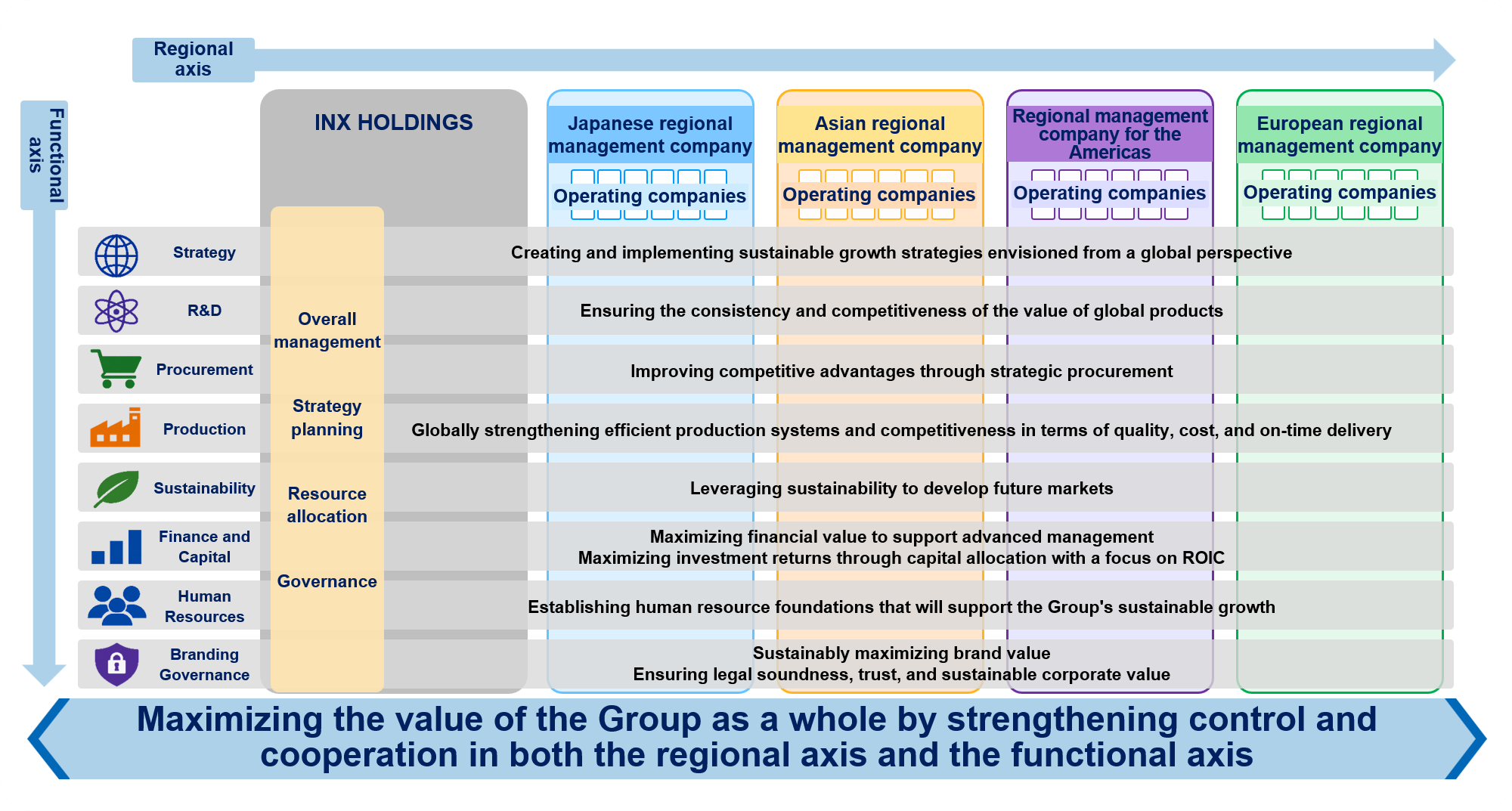
Group Cooperation Structure with Regional and Functional Axes

Group Cooperation Structure with Regional and Functional Axes

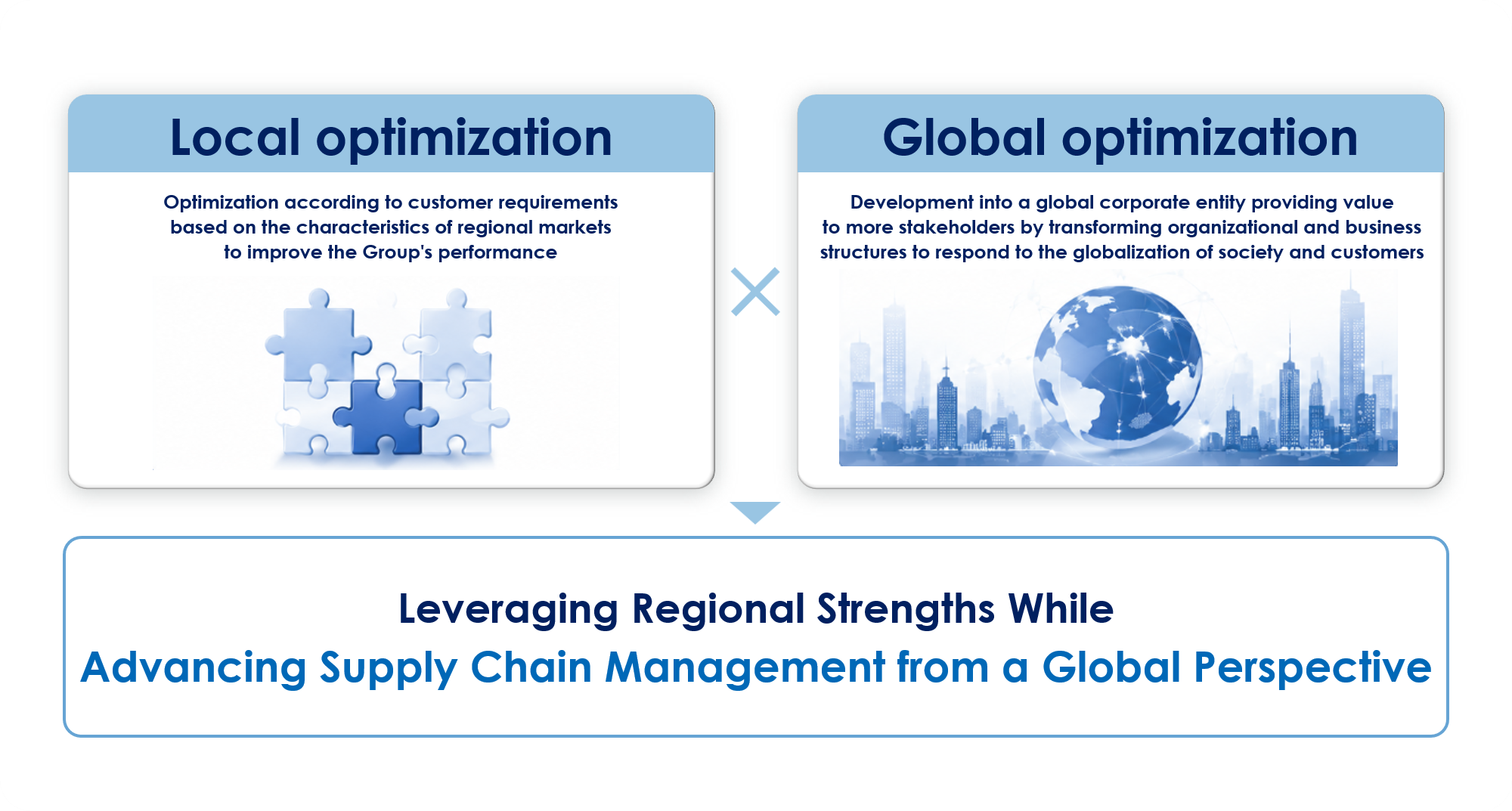
Local Optimization and Global Optimization to Enter the Next Stage of Growth

Local Optimization and Global Optimization to Enter the Next Stage of Growth

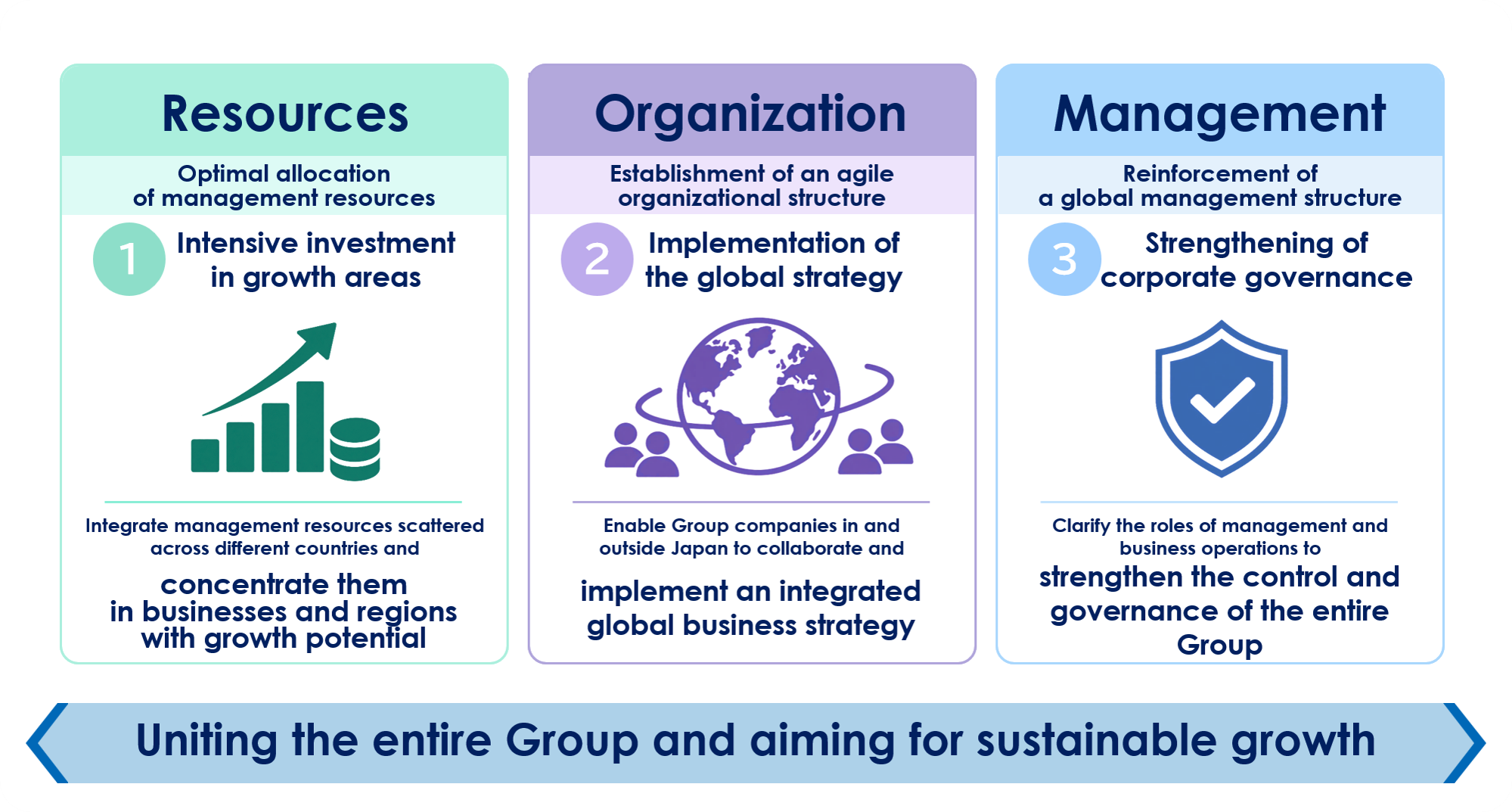
Purpose of the Transition to a Holding Company Structure to Accelerate Growth

Goals of the Transformation into Holding Company to Accelerating Growth

Value Provided to Stakeholders

Value Provided to Stakeholders

Introducing Our Group Brands

Introducing Our Group Brands

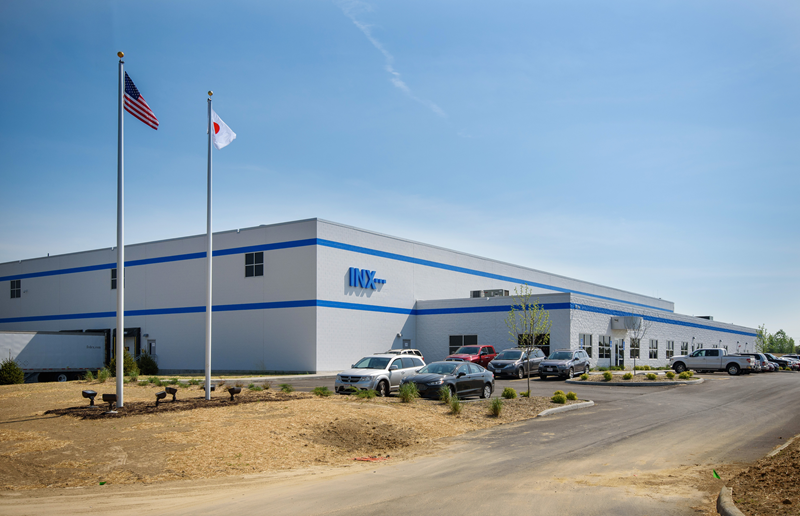
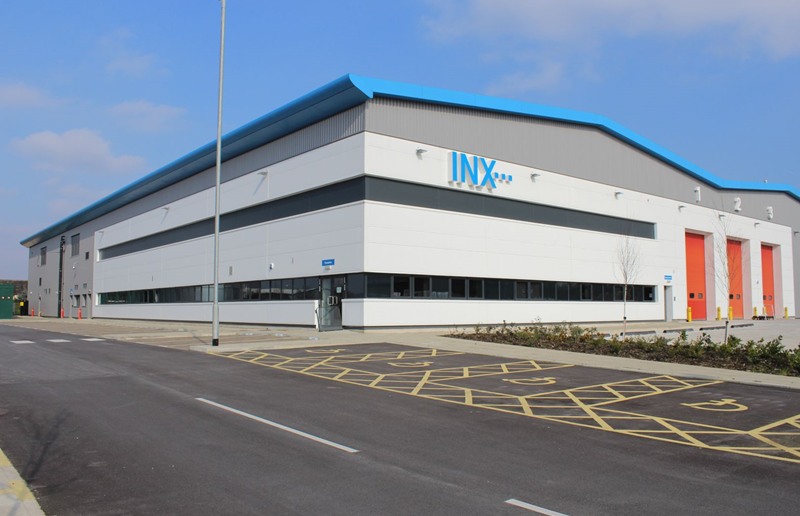
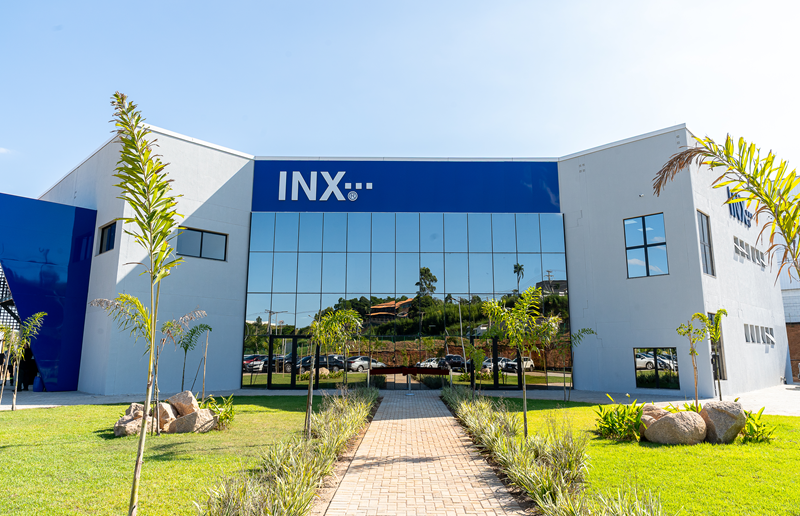
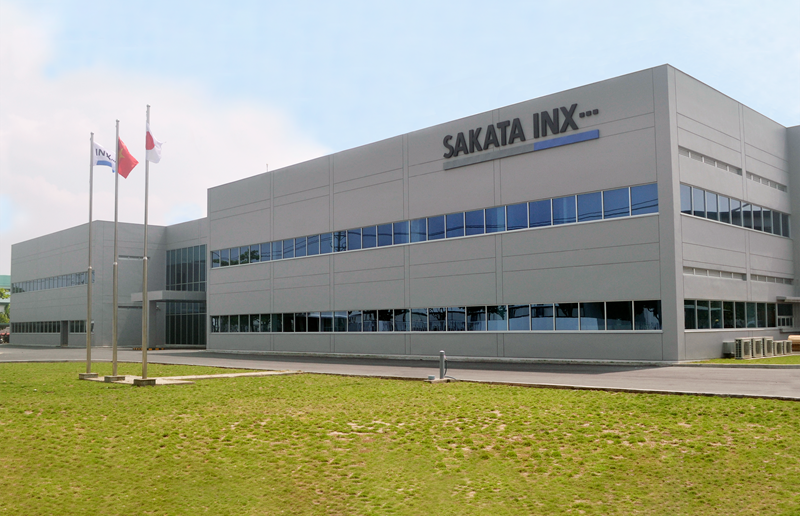
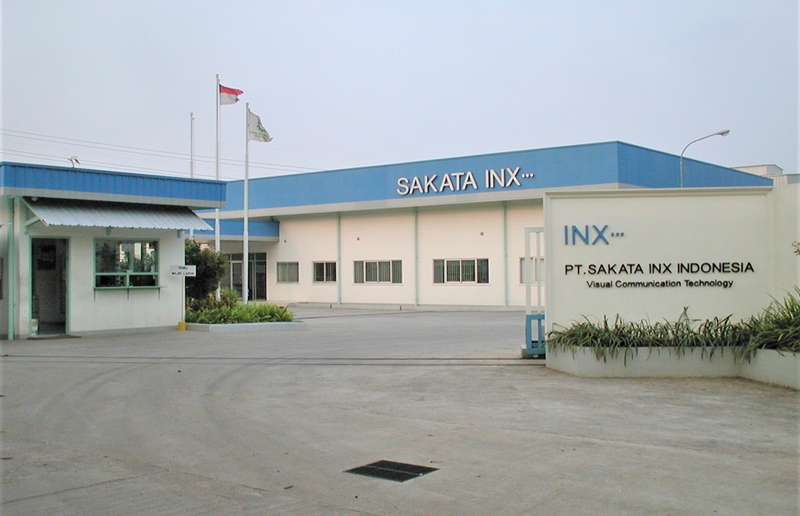
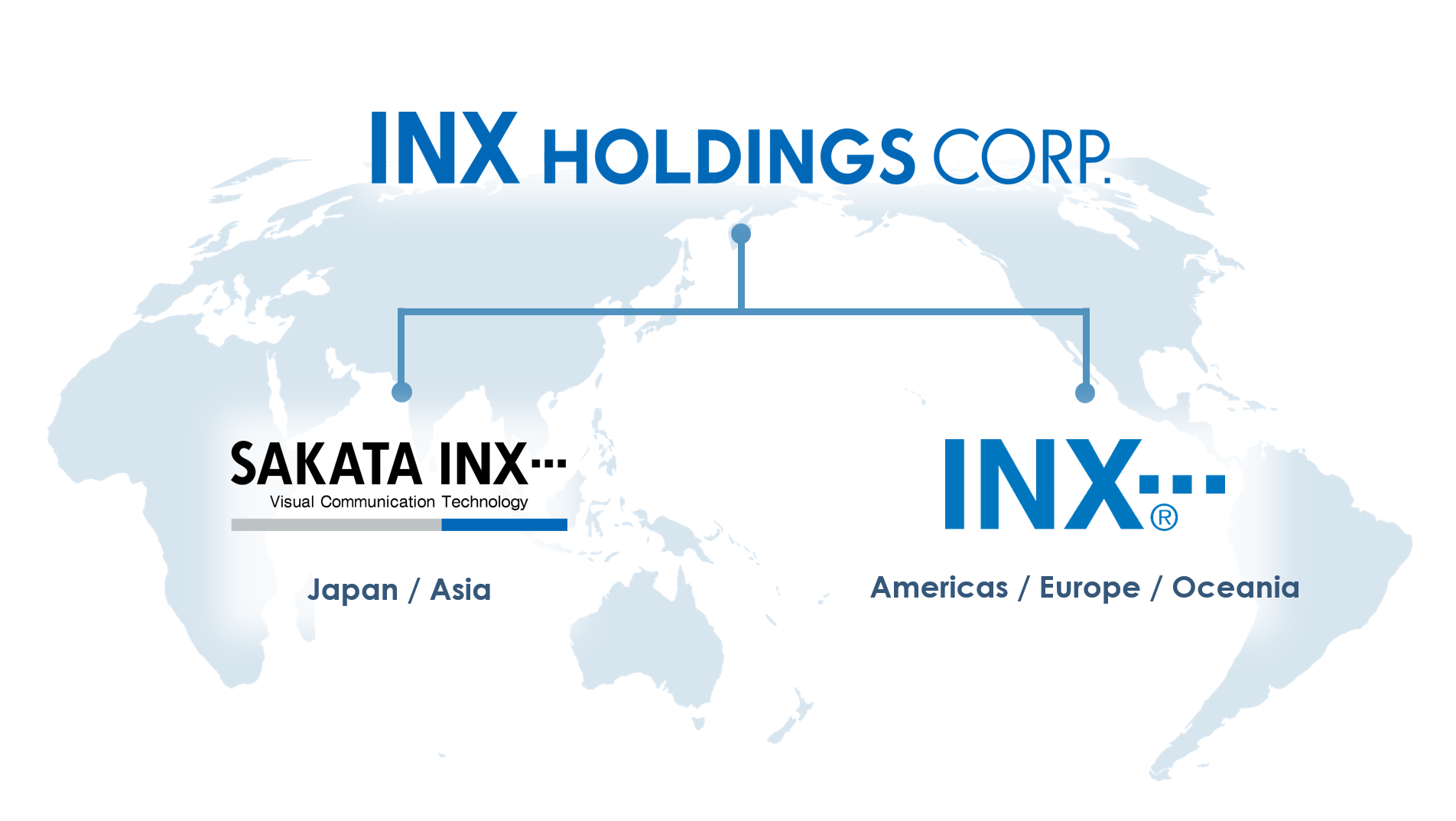
With the manufacture and sale of inks at the core of its business, the Group operates globally under two brands. The Sakata INX brand serves Japan and Asia, while the INX brand serves the Americas and Europe. Each has developed its business in line with the characteristics of its markets and the needs of its customers.
When the Group transitions to a holding company structure in January 2027, INX Holdings will be established as the holding company responsible for overseeing the Group as a whole.
At the same time, we will preserve the recognition and trust that both brands have built over many years. Sakata INX and INX will therefore continue to operate as our two business brands.
By bringing together the strengths of both brands and reinforcing collaboration across our global network, we will deliver even greater value to customers and pursue sustainable growth.

Introducing Our Group Brands